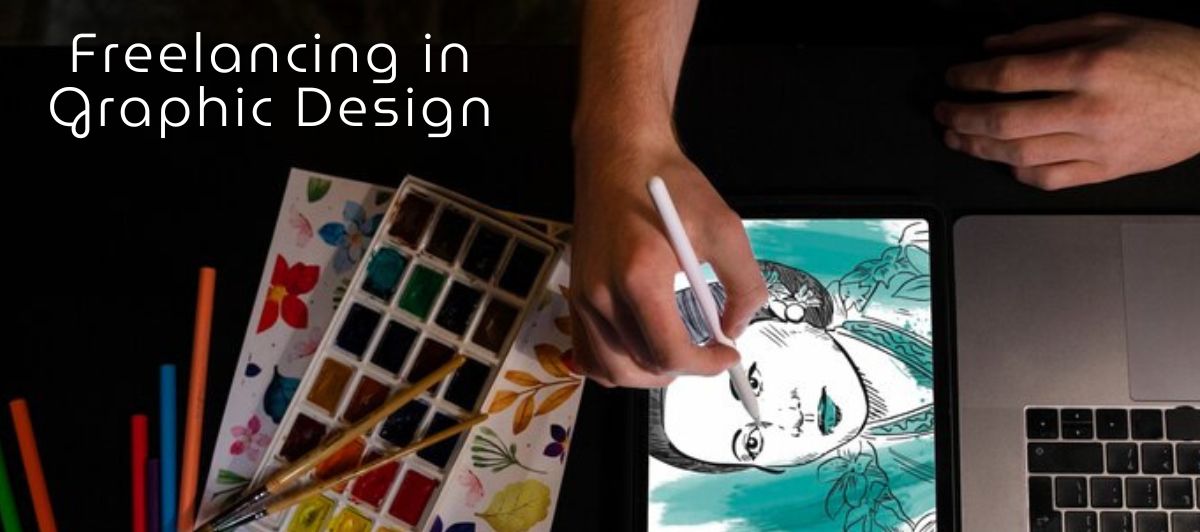
Basic Drawing Skills for Kids
 January 13, 2026
 By Admin


January 13, 2026
By Admin
Drawing is one of the most powerful ways for children to express imagination, emotions, and ideas. Whether a child wants to draw for fun or dreams of building a future in drawing, animation, or graphic design, learning the basics is extremely important. The truth is simple: if you want to build a career in drawing or graphic design, basic skills are essential, whether the learner is 5 years old or even 50 years old.
Arena Animation, Shayambazar, believes that strong fundamentals make learning drawing easy, enjoyable, and effective for kids and beginners.
Basic drawing skills play a vital role in a child’s overall development. Drawing helps improve hand–eye coordination, fine motor skills, and visual accuracy, which are important not only for art but also for writing and daily activities. When children practice drawing regularly, they learn and observe objects, notice small details, and translate what they see onto the paper.
Additionally, children gain confidence when they can create something on their own, which has a positive impact on their emotional growth. This is why many parents want to teach basic drawing skills to their children at home or search for ‘how-to-teach-drawing-to-beginners ‘ videos on YouTube. Additionally, understanding drawing basics such as shapes, proportions, and space helps children perform better in academics and builds a strong foundation for future creative careers.
Lines are the foundation of every drawing. Kids should first learn how to draw straight lines, curved lines, and simple outlines. Edges are created when two areas meet, and understanding edges helps kids give structure to their drawings.
There are soft edges, hard edges, and blended edges. Beginners should start with simple outlines and gradually move toward more detailed line work. This is one of the easiest ways to start basic drawing skills for kids at home.
All complex drawings are made from basic shapes such as circles, squares, triangles, cubes, and cylinders. Teaching kids to break objects into simple shapes makes drawing less confusing.
Proportion is equally important. Kids need to understand how big or small an object should be compared to others. This skill helps them avoid common mistakes like oversized heads or tiny bodies. Parents looking for how to teach drawing to a 5 year old child should always begin with shapes and proportions.
Good artists are good observers. Children should be encouraged to observe objects around them—chairs, fruits, trees, toys, or buildings—and try drawing what they see.
This habit improves focus and helps children understand details like texture, size, and placement. Observation is a core concept included in most drawing basics for kids PDF learning materials.
Colour adds life to drawings. Kids should learn basic colour theory—primary colours, secondary colours, and how different colours work together.
Understanding colour emotions helps children express feelings through art. For example, warm colours feel energetic, while cool colours feel calm. This skill is essential for kids interested in painting, illustration, or digital art.
At Arena, Shayambazar, children are guided to explore colours creatively without fear of making mistakes.
Light and shadow help convert flat drawings into realistic ones. Even simple shading techniques can make a 2D object look 3D.
By understanding where light comes from, kids can place shadows correctly. This skill also improves depth perception and realism. Learning light and shadow is one of the most exciting stages for beginners because it shows visible improvement quickly.
Perspective teaches children how objects appear smaller when they are far away and larger when they are close. This skill helps kids place objects correctly on paper.
Perspective also improves storytelling in drawings. A drawing with proper perspective looks balanced and meaningful. Beginners often struggle with this, which is why guided practice is important.
Drawing is not only about technique—it is also about expression. Children should be encouraged to draw stories, emotions, and ideas instead of just copying objects.
A drawing that conveys a message always stands out. This skill helps kids build originality and confidence, making their artwork unique and impactful.
Learning drawing becomes much easier with expert guidance. Arena, Shayambazar offers beginner drawing programs specially designed for beginners. Our experienced trainers focus on fundamentals while keeping the learning process fun and interactive.
We help children:
Whether you are searching for how to learn drawing at home step by step or professional guidance, Arena, Shayambazar provides the right learning environment.
Begin with lines and shapes, then move to simple objects. Practice daily for short durations. Observe real-life objects and draw them. Use beginner-friendly guides or structured lessons like those offered at Arena, Shayambazar.
The 4-8-8 method focuses on breaking a drawing session into observation, sketching, and detailing stages. It helps beginners manage time and improve accuracy while drawing.
The five basics include line control, proportion, perspective, light and shadow, and composition. These fundamentals help create balanced and realistic drawings.
The 70/30 rule suggests that 70% of a drawing should be simple and calm, while 30% should contain details or focus areas. This creates visual balance and prevents overcrowding.
The seven elements include line, shape, form, space, texture, value, and colour. Learning these elements improves overall drawing quality.
The five pillars are creativity, technique, observation, expression, and practice. Together, they form a strong artistic foundation.
Reach out to us using the form below!

February 20, 2026 | By Admin
February 9, 2026 | By Admin

February 9, 2026 | By Admin

February 9, 2026 | By Admin
January 30, 2026 | By Admin

January 21, 2026 | By Admin
January 13, 2026 | By Admin

December 31, 2025 | By Admin

December 23, 2025 | By Admin
December 13, 2025 | By Admin


Our FREE Animation Camp opens up the world of animation with expert guidance, challenges and fun projects. Discover your potential with our animation course today!